Rentabilité Batterie Solaire : Maximiser le ROI de votre BESS
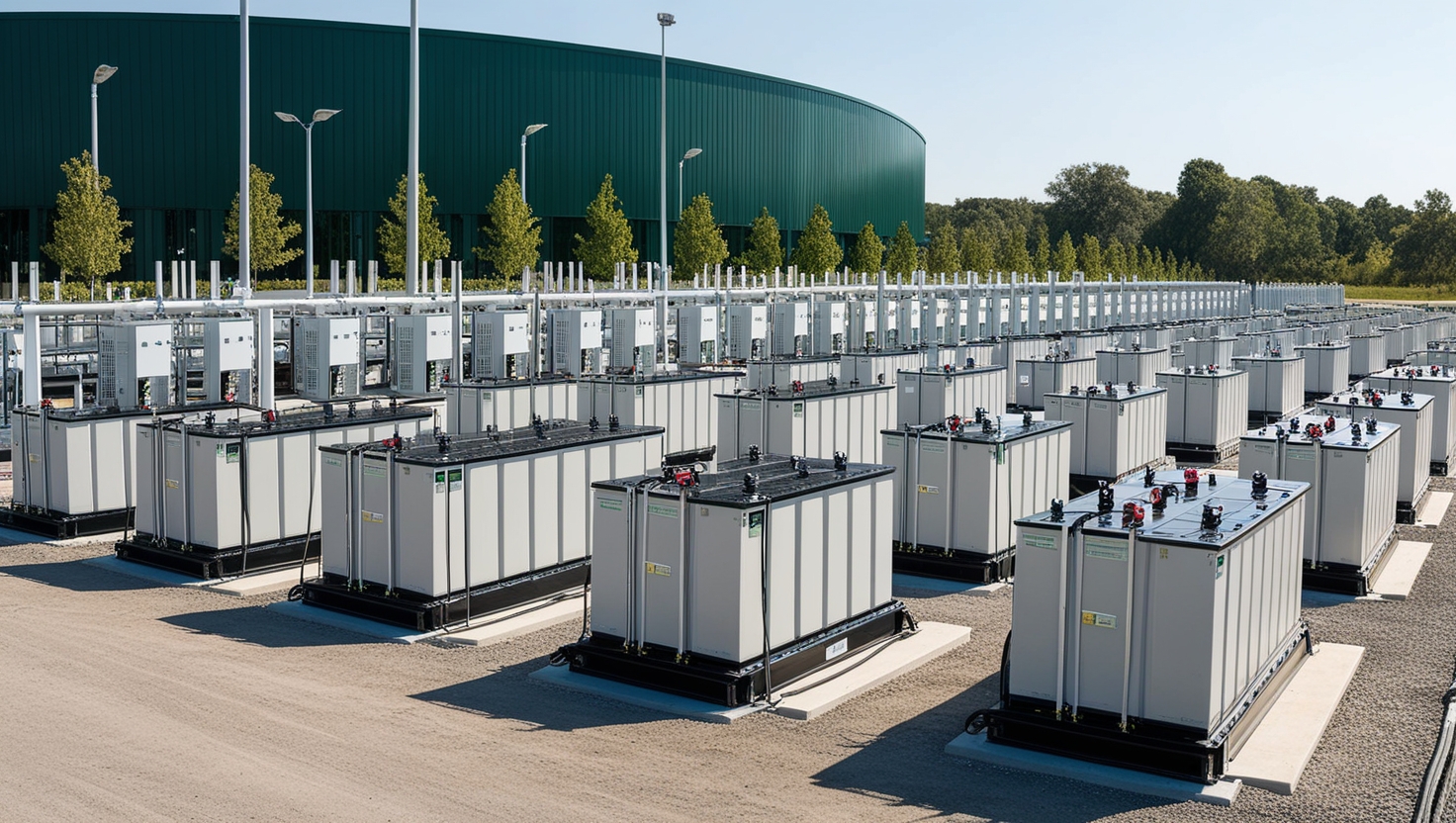
Optimiser la rentabilité d'une batterie solaire ne repose pas uniquement sur la capacité de stockage, mais sur une gestion intelligente des données et une maintenance prédictive.
Correct BESS sizing determines ROI. This lesson provides expert knowledge for installers and energy consultants. The 5 Sizing Factors Load profile: When is how much consumed? PV generation: How much solar power available? Use case: Self-consumption, arbitrage, peak-shaving? Cycles/day: How often is the storage used? Budget: Customer investment range Formula: Optimal Capacity Capacity (kWh) = Daily consumption × (1 - Self-consumption rate) × 0.8 Understanding C-Rate C-Rate Meaning Application 0.5C 2h c
Analyse de la rentabilité batterie solaire
La rentabilité d'un système de stockage d'énergie (BESS) dépend de l'équilibre entre les coûts opérationnels et les économies générées sur la facture énergétique. Pour maximiser le retour sur investissement, il est crucial de comprendre les mécanismes des prix de l'électricité et d'optimiser la consommation en temps réel. Stromfee aide les utilisateurs à comprendre ces dynamiques pour réduire les coûts annuels de manière significative. Une gestion précise permet de transformer une simple installation technique en un actif financier rentable.
Technologies LFP et déploiement à grande échelle
L'utilisation de batteries LFP (Lithium Fer Phosphate) est une norme pour les projets de grande envergure, allant jusqu'à des capacités de 10 MW / 20 MWh. Ces systèmes sont déployés dans diverses régions, notamment au Moyen-Orient et en Asie du Sud-Est, où la transparence des données est primordiale. La robustesse de la technologie LFP assure une stabilité nécessaire pour les infrastructures critiques. Stromfee accompagne ces projets avec une expertise technique pointue pour garantir la fiabilité du stockage.
Maintenance prédictive et optimisation logicielle
La longévité d'une batterie est directement liée à la qualité de sa maintenance. L'intégration d'outils basés sur l'IA permet une surveillance 24h/24 pour identifier les anomalies avant qu'elles ne causent des pannes coûteuses. Ces solutions de maintenance prédictive peuvent générer des économies substantielles sur le cycle de vie du système. En surveillant en temps réel les données de performance, les opérateurs peuvent ajuster les paramètres de fonctionnement pour optimiser la durée de vie des cellules.
Gestion intelligente et monitoring en temps réel
Une plateforme logicielle performante est indispensable pour piloter efficacement un parc de batteries. Le suivi en temps réel permet d'ajuster les cycles de charge et décharge en fonction des prévisions de prix et de la demande réseau. Cette approche analytique garantit que l'énergie est utilisée au moment le plus rentable. Stromfee fournit les outils nécessaires pour transformer les données brutes en décisions stratégiques pour les gestionnaires de réseaux et les propriétaires privés.
Frequently Asked Questions
Comment améliorer la rentabilité batterie solaire ?
La rentabilité s'améliore en utilisant des logiciels de gestion intelligente qui optimisent les cycles de charge selon les prix du marché. Une maintenance prédictive permet également de réduire les coûts opérationnels et d'allonger la durée de vie des composants.
Quels sont les avantages des batteries LFP pour le stockage ?
Les batteries LFP sont privilégiées pour leur stabilité et leur fiabilité dans les installations à grande échelle (jusqu'à 20 MWh). Elles offrent une solution robuste pour la gestion de l'énergie sur des réseaux complexes.
Qu'est-ce que la maintenance prédictive en BESS ?
La maintenance prédictive utilise l'intelligence artificielle pour surveiller le système 24h/24. Elle permet d'identifier les problèmes potentiels avant qu'ils ne surviennent, garantissant ainsi une continuité de service optimale.
Pourquoi le monitoring en temps réel est-il crucial ?
Le monitoring en temps réel fournit des données précises sur la performance du système. Ces données permettent d'ajuster les paramètres opérationnels instantanément pour maximiser l'efficacité énergétique et économique.
Questions about your site? We take an honest look.
Ask via WhatsApp: +49 171 1988926