Control de Plantas Solares: AI-Driven Energy Management
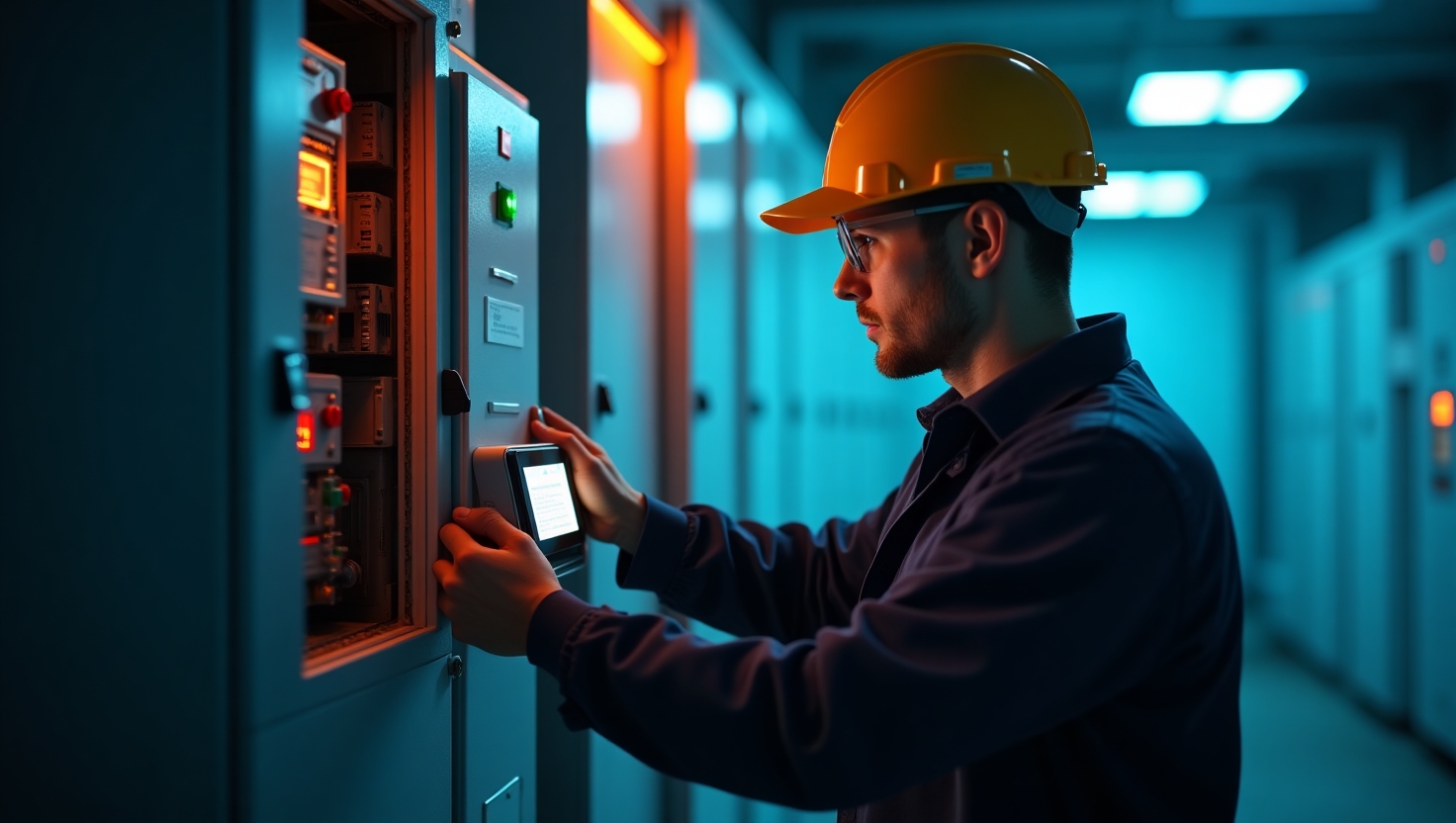
Optimize your solar infrastructure with intelligent monitoring and automated energy management systems.
Multi-Location Solar AI Management: A Comprehensive Guide Quick Answer: Yes, advanced AI systems like Stromfee can seamlessly manage solar arrays across multiple business locations by integrating real-time data analytics, predictive algorithms, and centralized control platforms. Modern AI-powered energy management systems have revolutionized how businesses approach distributed solar infrastructure, enabling unprecedented levels of optimization, monitoring, and strategic decision-making across diverse geographical sites. Technical Architecture of Multi-Locati
Advanced Monitoring for Solar Infrastructure
Effective control de plantas solares requires continuous monitoring of energy data to ensure system integrity. By utilizing AI-driven analysis, the system detects potential malfunctions or problems in machines at an early stage. This proactive approach enables predictive maintenance, reducing downtime and extending the lifespan of your hardware. Instead of reactive repairs, operators can address issues before they impact production. Constant data oversight ensures that every component of the solar array operates at peak efficiency.
Optimizing Energy Usage and Grid Interaction
Smart management focuses on maximizing the utilization of green energy while minimizing costs from the grid. By analyzing consumption patterns, the system ensures that as much solar power as possible is used locally. This strategy reduces reliance on external electricity providers during peak periods. Furthermore, intelligent systems can manage how and when energy is drawn based on current market conditions. This strategic balance optimizes the overall efficiency of the energy lifecycle.
Cost Reduction through Spot Price Management
Integrating AI for spot price management allows businesses to align their consumption with the most favorable electricity prices. By analyzing real-time data, the system identifies the cheapest times to draw power from the grid or store energy. This automated approach helps minimize operational costs significantly. It removes the need for manual monitoring of fluctuating market rates. Consequently, your facility can operate more economically while maintaining a consistent power supply.
AI-Driven Process Improvement
The integration of AI into energy management leads to improved work processes by automating routine data analysis. While the system handles complex calculations and pattern recognition, human operators can focus on more creative and complex tasks. These systems can operate based on machine learning patterns or specific rule-based logic. This shift allows for a more streamlined operation where technology handles the repetitive monitoring. Ultimately, it creates a more efficient workflow for managing multi-site energy portfolios.
Frequently Asked Questions
How does AI improve control de plantas solares?
AI improves management by detecting malfunctions at an early stage through continuous data monitoring. This allows for predictive maintenance and ensures the system operates without constant manual intervention.
Can the system reduce electricity costs?
Yes, by using spot price management to identify the cheapest times to consume energy. It also maximizes the use of self-generated green energy to minimize grid reliance.
What is the difference between rule-based and machine learning in this context?
Rule-based systems follow specific pre-defined instructions, while machine learning identifies patterns within data to optimize performance. Both methods can be used to improve energy management workflows.
How does automation affect human roles in energy management?
By automating routine monitoring and data analysis, AI allows staff to focus on more complex and creative tasks. This leads to improved work processes and higher operational efficiency.
Questions about your site? We take an honest look.
Ask via WhatsApp: +49 171 1988926