
Market Outlook
The European e-fleet market is growing rapidly. By 2030, 85% of all new commercial vehicles will be electric. Our platform optimizes the transition.





TCO Comparison: Electric vs. Diesel
7-year total cost of ownership for a 40-ton truck with 100,000 km/year
| Cost Item | Electric Truck | Diesel Truck | Difference |
|---|---|---|---|
| Acquisition | €180,000 | €100,000 | +€80,000 |
| Fuel/Energy (7yr) | €87,500 | €315,000 | -€227,500 |
| Maintenance (7yr) | €56,000 | €105,000 | -€49,000 |
| Toll (7yr) | €0 | €133,000 | -€133,000 |
| Insurance (7yr) | €35,000 | €38,500 | -€3,500 |
| TOTAL TCO | €358,500 | €691,500 | -€333,000 (48%) |
7-Year TCO Progression

Our Capabilities

Depot Infrastructure
Complete charging infrastructure: installation, grid connection, load management, and BESS integration

Load Management
AI-driven charging optimization prevents grid overload and reduces required connection capacity by 70%

Spot Price Optimization
Real-time EPEX Spot price integration. Charge during low prices, avoid peak times

PV Integration
Roof and carport solar installations with 70-90% self-consumption. BESS buffering for night charging

Route Optimization
AI route planning considers SoC, charging stations, weather, and traffic. 15-25% more range
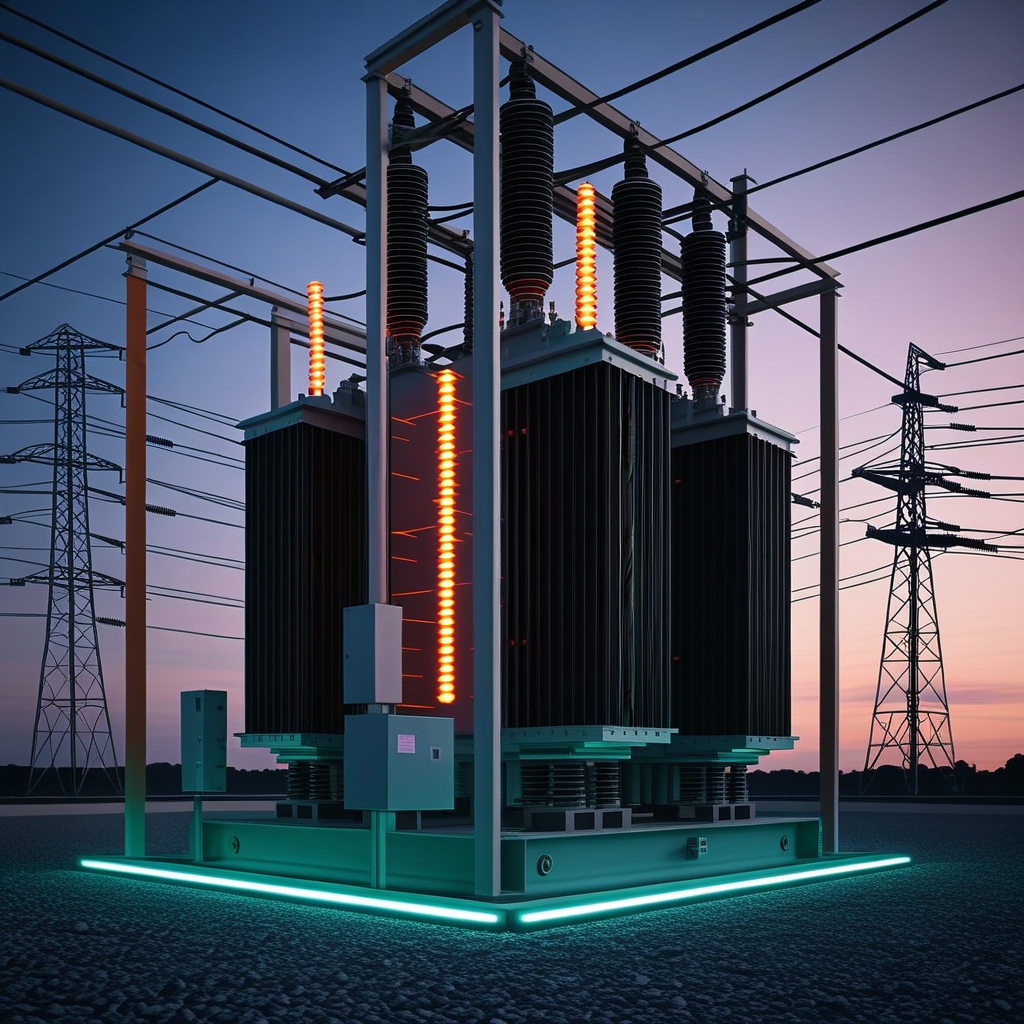
Grid Connection
Grid connection planning and BESS buffering. Operation on existing connections, demand response
 Depot Energy Consumption (24h Simulation)

Fleet Ecosystem Dashboards
Integrated dashboards for the complete fleet ecosystem. Real-time data, optimization, and analysis.
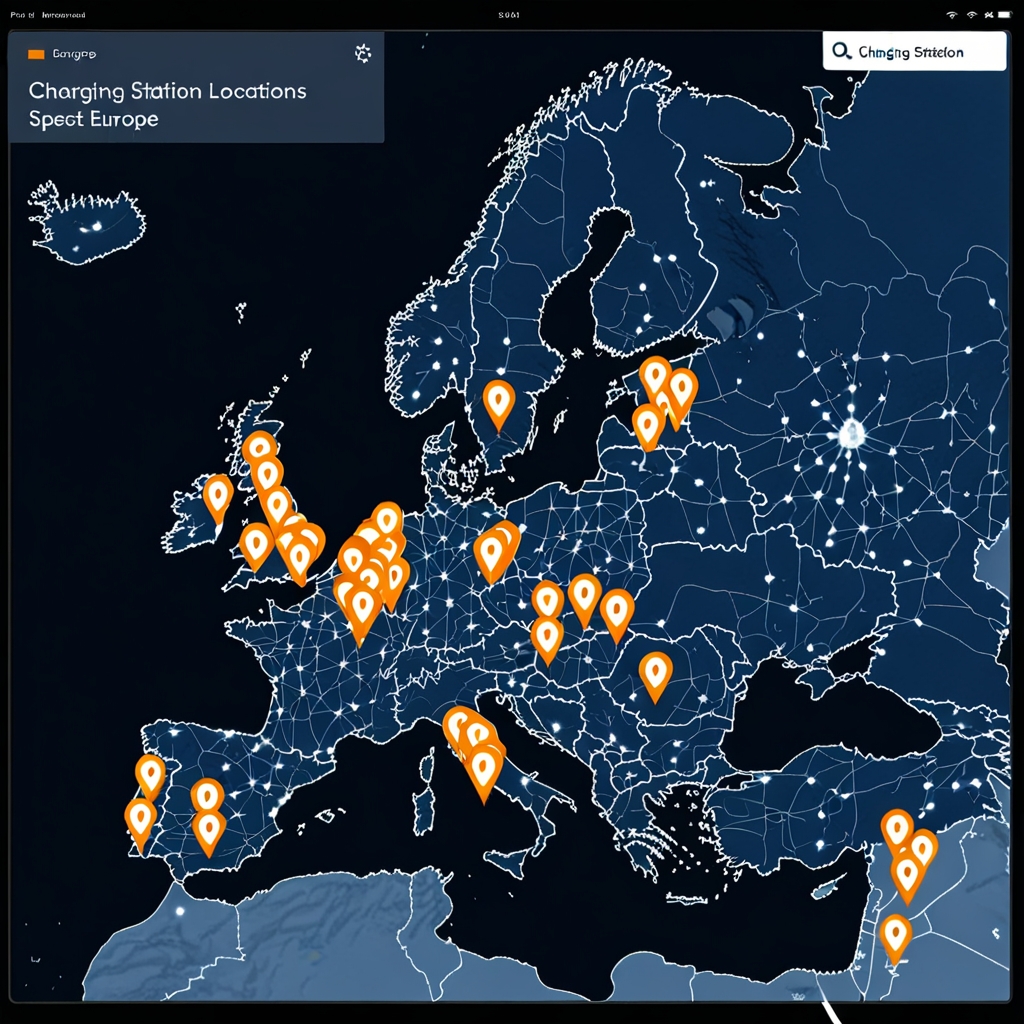
MCS Location Finder
Interactive map of all MCS locations across Europe
Live
Food Retail Region
Cold chain monitoring and delivery route optimization
Live
E-Truck Telemetry
Real-time vehicle data: SoC, position, consumption
Live
MUC Airport Depot
50 eActros 600, 2 MWp PV, 4 MWh BESS, MCS charging
🔴 LIVE DATA
Hamburg Port Depot
60 eActros 600, 3 MWp PV, 6 MWh BESS, Shore Power
🔴 LIVE DATA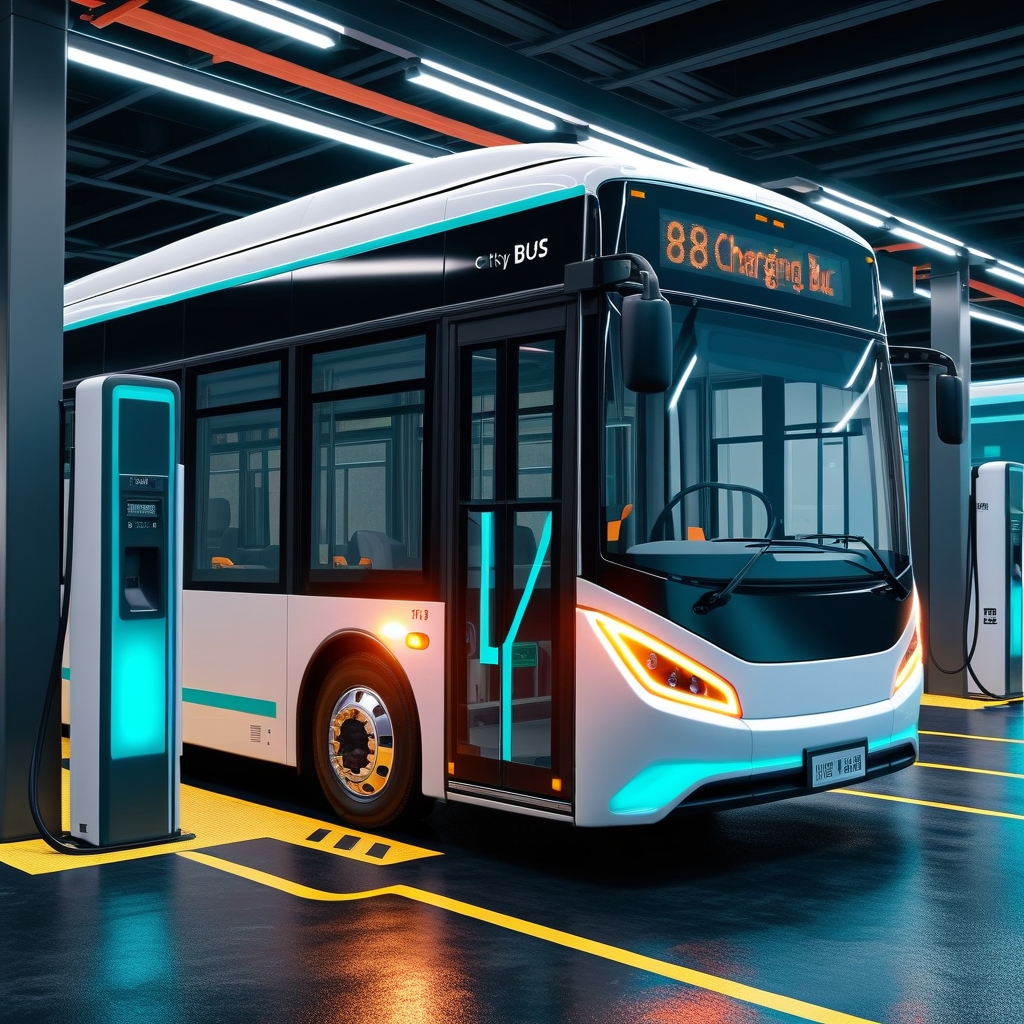
E-Bus Depot
Municipal bus fleets with 40-60% energy cost reduction
Live
Depot Manager
Central depot management with charger status and maintenance
Live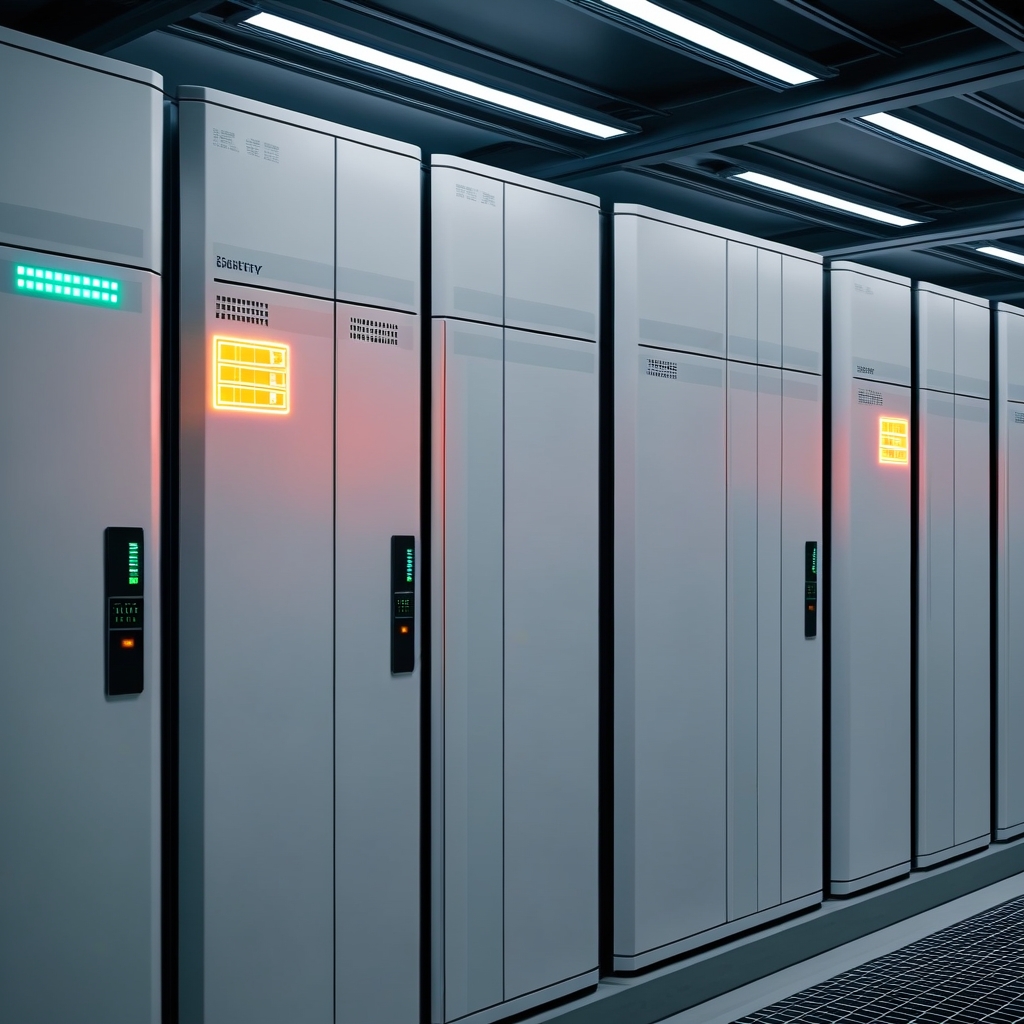
BESS Storage
Battery storage dashboard with arbitrage and grid services
Live
Spot Price Live
EPEX Spot prices with optimal charging windows
Live
Route Planner
EV-optimized route planning with charging stops
Live
Fleet Analytics
TCO tracking, carbon footprint, and benchmark comparison
Live
Use Cases

Depot Overnight Charging

Loading/Unloading
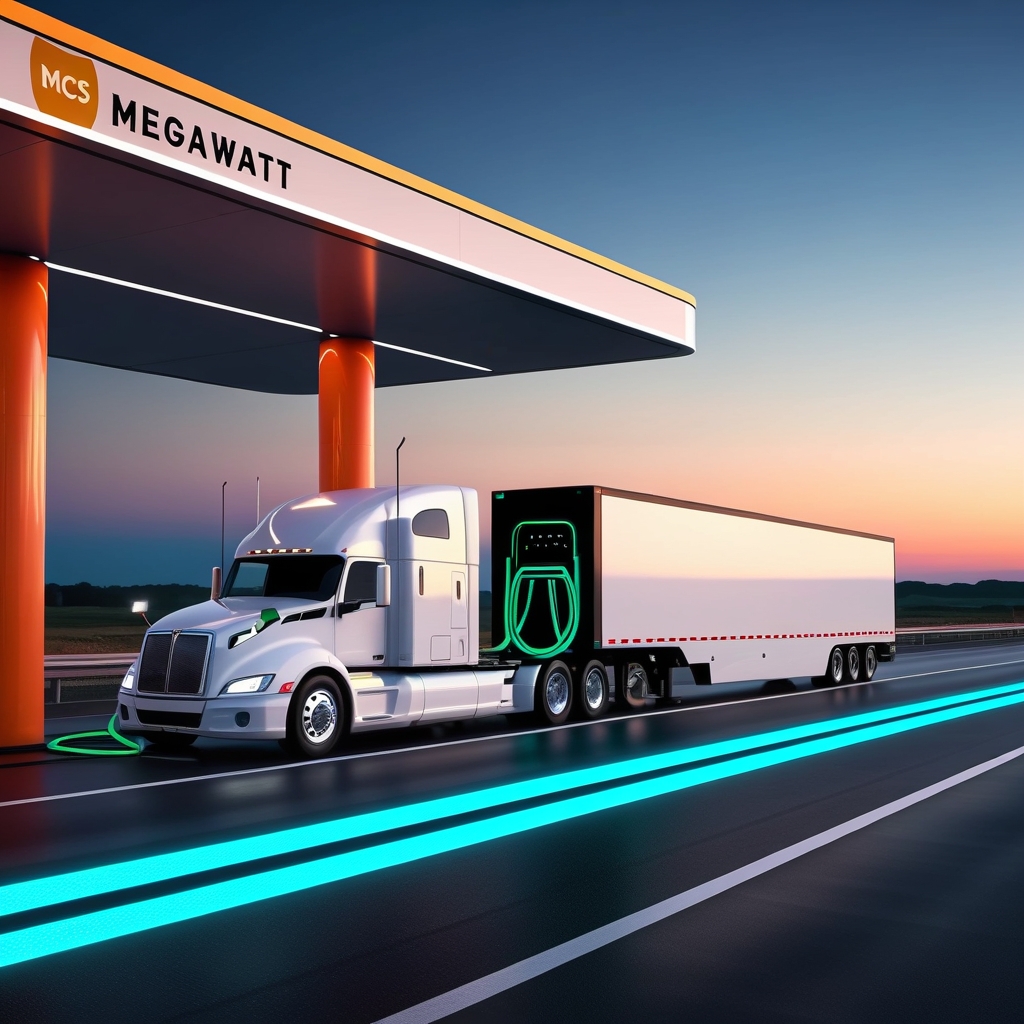
Rest Stop MCS

Success Stories

Logistics Company
200 vehicles, 50% electric
Depot optimization and spot price trading enabled significant annual energy cost savings.

Municipal Transit
80 e-buses, Depot BESS
BESS integration at depot reduced peak demand by 40% and grid fees significantly.

Food Distributor
150 refrigerated trucks, 85% electric
Cold chain optimization and route planning enabled carbon-neutral last-mile delivery.
Frequently Asked Questions
Ready for Fleet Electrification?
Our experts analyze your fleet potential and develop a customized electrification strategy with ROI calculation.